
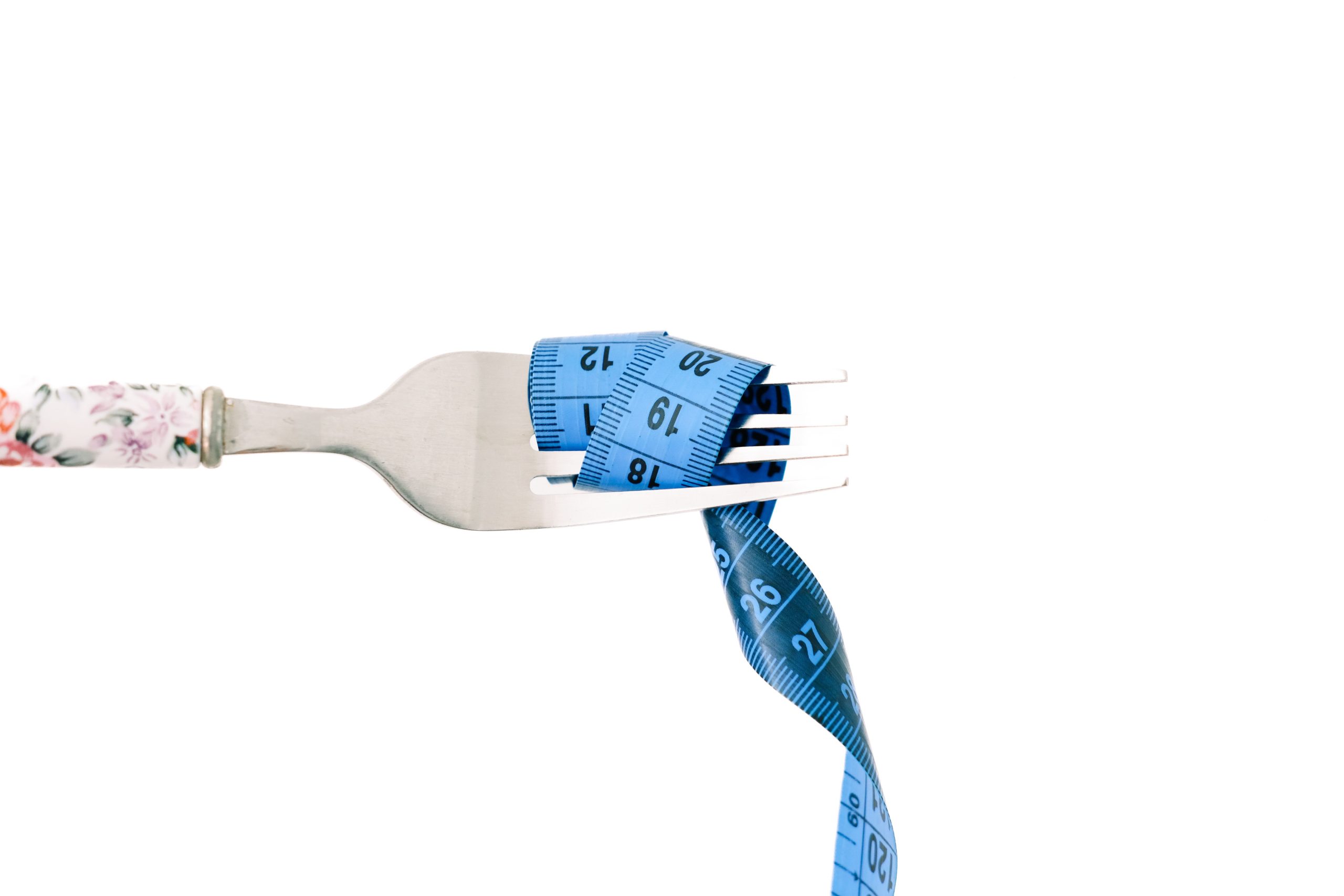
Eating disorders are not just eating habits, but serious mental health conditions that arise as a result of having an unhealthy relation to food and how you feel about your body and weight. Eating disorders can manifest themselves physically and psychologically in complex ways. However, since eating disorders may present symptoms similar to other diseases, proper diagnosis by specialists is essential.
What are the common behavioral and psychological symptoms?
- Being preoccupied with food consists of thinking a lot about the amount of food being eaten, how many calories it contains, and what types of food should be avoided.
- Following specific rituals in eating may include cutting food into small pieces, arranging it in a certain order on one’s plate, or avoiding a particular kind of food.
- People suffering from such disorders may become very secretive about their eating habits mostly to avoid people from discovering how much and what they are eating.Being preoccupied with food consists of thinking a lot about the amount of food being eaten, how many calories it contains, and what types of food should be avoided.
- Following specific rituals in eating may include cutting food into small pieces, arranging it in a certain order on one’s plate, or avoiding a particular kind of food.
- People suffering from such disorders may become very secretive about their eating habits mostly to avoid people from discovering how much and what they are eating.Distortion of the body image includes having a strong fear of gaining weight combined with having negative perceptions of the way one looks.
- Eating disorders are characterized by mood swings, irritability, and discomfort.
Physical indicators:
- Body weight irregularity: Noticeable weight loss or weight gain for which there is no reasonable proof.
- Gut/Intestine malfunction: Continuous belly distress accompanied by bloated stomach, constipation, and heartburn.
- Cold sensitivity: Feeling chilly while everyone feels normal, as a result, needing to dress more warmly.
- Unsteadiness and tiredness: Experience of dizziness, fainting and tiredness every so often.
- Skin, hair and nails problems: Having flaky, yellowish skin, having thinning hair or brittle hair, and experiencing the appearance of fine baby hair.
- Evidence of purging: People might find calluses or bruises on the fingers (due to self-induced vomiting), presence of tooth problems, teeth getting worn out, cheeks swelling because of purging.
Major Types of Eating Disorders:
- Anorexia Nervosa: A disorder where there is self-starvation and food restriction while having fear of weight gain.
- Bulimia nervosa: It refers to a condition where someone eats a lot of food (hot or cold food) then throws it up by vomiting or using laxatives.
- Binge Eating: The disorder involves consuming food uncontrollably then feeling guilty afterwards.
- Avoidant/Restrictive food disorder: Whereby someone may eat little food or no food at all depending on how the food appears to them in terms of flavor or texture without bothering about their physical appearance.
When to Seek Help?
If you feel that you or someone you know may be experiencing difficulty, see a doctor as soon as possible. Treatment is most effective when done early in the diagnosis of the illness. Your healthcare professional will conduct a physical examination, examine your nutritional intake and may request a blood test to eliminate other possible health problems that might mimic the eating disorder.
If you are located in India, an organization called MINDS Foundation is available to provide you with information and assistance on issues regarding mental health. You can also get in touch with your GP to obtain a specialist’s referral if you have any need.